Illustration isn’t just a tool for creative expression—it’s a versatile visual language that continues to evolve with time. Whether you’re an illustrator, a graphic designer, or an art director, understanding different illustration styles can help you elevate your craft, stay inspired, and cater to diverse audiences.
If you’re looking to refine your illustrative art style, this guide will introduce you to 9 popular types of illustrations and examples on how they’re used. We’ll also explore the history and meaning behind illustration to give you a deeper perspective. By the end, you’ll feel motivated to experiment with your designs and breathe new life into your projects.
What Is Illustration?
Illustration is the art of visually representing a concept, idea, or story. It combines creativity with purpose, taking inspiration from the world around us to communicate messages or evoke emotions through visual form.
From book covers and children’s stories to technical diagrams and brand designs, the meaning of illustration has expanded over time. It’s no longer just about enhancing aesthetics—it plays a key role in storytelling and connecting with audiences.
A Brief History of Illustration
Illustration has been around for thousands of years. Some of the earliest examples include prehistoric cave paintings and medieval illuminated manuscripts, which carried both artistic and functional significance.
Fast forward to the 19th and 20th centuries, illustration played a central role in print media, advertisements, and book publications. Think of the timeless hand-drawn sketches featured in "Alice's Adventures in Wonderland" or vintage ads for Coca-Cola.
Today, as digital tools like Procreate and Adobe Illustrator dominate the creative industry, illustration continues to push boundaries. Designers and illustrators now have the option to blend handcrafted art with technological precision, creating styles that range from whimsical to hyper-realistic.
Benefits of Exploring Different Illustration Styles
Why should you explore multiple illustration styles?
- Creative Growth: Experimenting with different styles challenges you to think outside your comfort zone, helping you discover fresh approaches and unlock new techniques that can elevate your work.
- Versatility: By understanding and mastering various illustration styles, you can adapt your work to meet the specific needs of any project or audience, whether it’s for branding, editorial, or entertainment purposes.
- Professional Appeal: A diverse portfolio showcasing your ability to work in multiple styles demonstrates your flexibility and creativity, which can help you stand out to potential clients, collaborators, or employers. It signals that you’re adaptable and capable of tackling a range of projects.
- Inspirational Breakthroughs: Exploring new styles not only sparks creativity but also keeps your work exciting and fresh, helping to prevent creative burnout. It can introduce you to new ideas, cultures, and artistic influences that fuel your imagination.
Now, let’s dive into 9 standout illustration styles to try in 2025 and see how they can inspire your next project!
9 Illustration Styles You Should Know
1. Vintage Illustration
What It Is
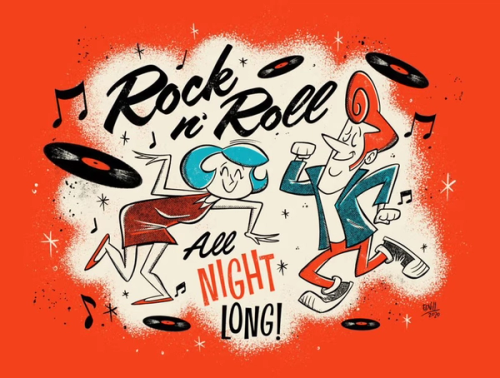
Think retro-inspired works reminiscent of the 1800s to mid-1900s. Vintage illustration is characterized by muted color palettes, intricate linework, and textured finishes that give designs a nostalgic feel.
Examples and Usage
You’ll often spot this style in classic book covers, old-school advertisements, or packaging designs for products that aim to evoke nostalgia (e.g., artisanal food brands or craft beverages).
Why Try It
Vintage illustrations offer a timeless quality while adding a touch of sophistication to your designs.
2. Modern Illustration
What It Is
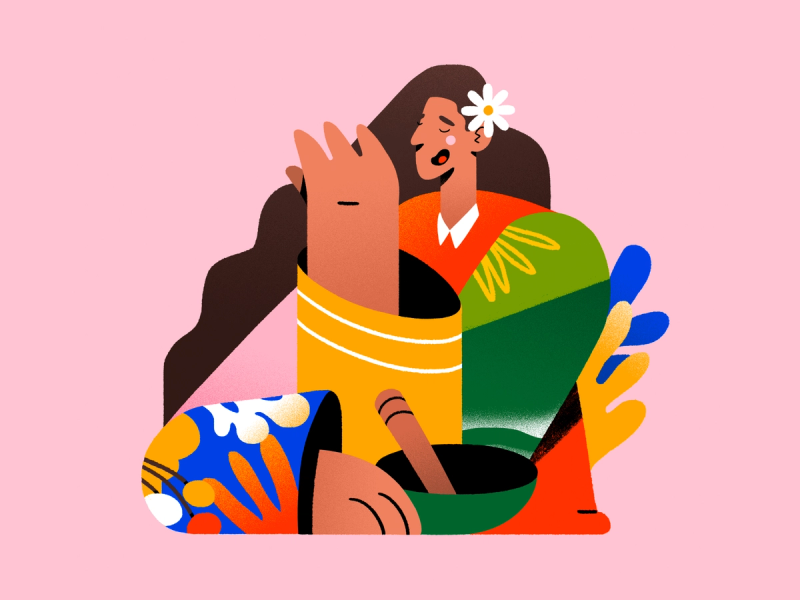
Modern illustration is clean, fresh, and contemporary, often catering to digital platforms. It features bold colors, dynamic compositions, and sleek design elements.
Examples and Usage
Look for examples on platforms like Behance or Dribbble—many modern illustrations are created for websites, apps, and branding campaigns.
Why Try It
Modern styles create a polished and professional look, easily adaptable for modern marketing materials.
3. Technical Illustration
What It Is
Precise and detail-oriented, technical illustrations focus on visually explaining complex concepts. These typically use plain backgrounds, cutaways, and accurate measurements.
Examples and Usage
Diagrams in engineering textbooks, scientific publications, and product manuals are prime examples.
Why Try It
It’s perfect for creatives working in STEM or industries where clarity and functionality are just as important as aesthetics.
4. Whimsical Illustration
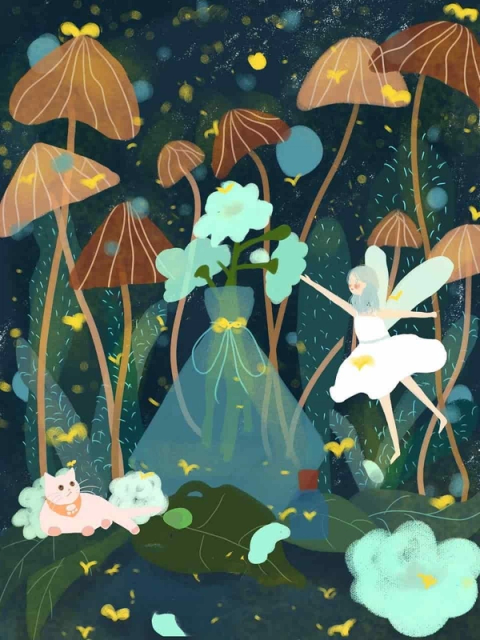
What It Is
Whimsical illustrations are imaginative, colorful, and playful. Often designed to appeal to children, they use exaggerated proportions and dreamy details.
Examples and Usage
You’ll see these in children’s book illustrations or fantasy-themed animations. “Alice in Wonderland” is an iconic representation of whimsical art.
Why Try It
It allows you to explore storytelling in its most lighthearted form and appeals to an audience’s sense of wonder.
5. Flat Illustration

What It Is
Flat illustration strips back unnecessary details, focusing on simple shapes, bold colors, and minimalist designs.
Examples and Usage
Popular in UI/UX design, flat illustrations often appear in apps, on websites, or as branding graphics. Think of the icons or explainer visuals you encounter daily.
Why Try It
Flat illustrations are easily scalable and offer clean, approachable visuals perfect for guiding users.
6. 3D Illustration
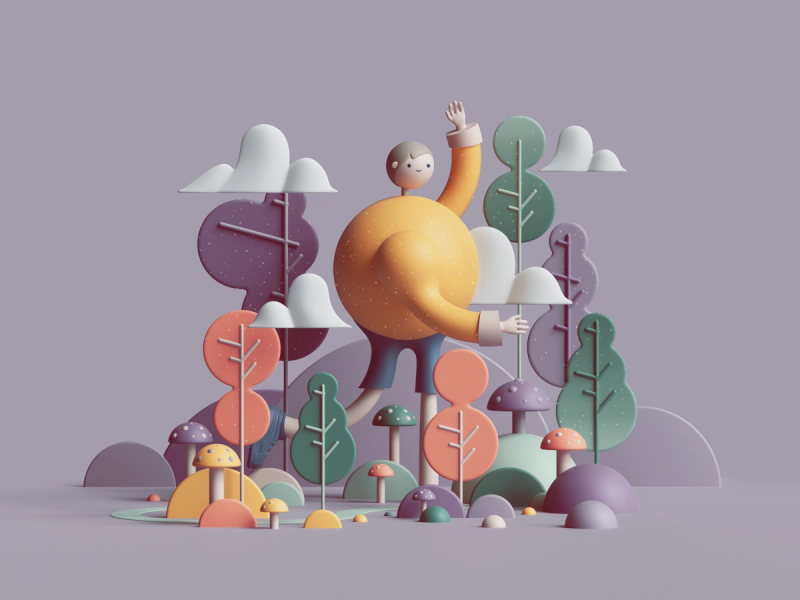
What It Is
This style gives depth and texture to designs using a 3D-rendered approach, almost mimicking real-world objects.
Examples and Usage
You’ll find 3D illustrations in animated films, video games, and futuristic branding.
Why Try It
It’s eye-catching and delivers a wow factor to your audience. Plus, it’s a great way to practice advanced rendering techniques.
7. Geometric Illustration

What It Is
Defined by symmetry and clean lines, geometric illustrations pair abstract art with structured shapes like circles, squares, and triangles.
Examples and Usage
This style is often seen in abstract branding or minimalist art prints featured on design blogs.
Why Try It
Geometric styles help convey simplicity while commanding attention.
8. Line Art Illustration
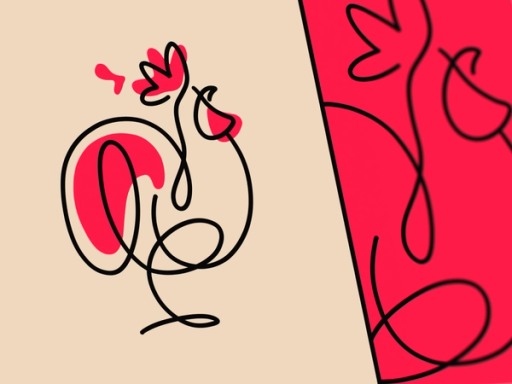
What It Is
This black-and-white style relies solely on lines—either minimalist outlines or intricate patterns. Minimalist line art has surged in popularity over the past few years.
Examples and Usage
Think of adult coloring books or editorial covers. Graphic novels often use this style for dynamic black-and-white compositions.
Why Try It
Line art is clean, timeless, and versatile—proving less is often more.
9. Abstract Illustration
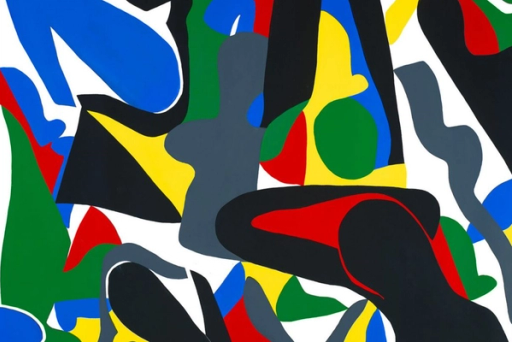
What It Is
Abstract illustration breaks the rules of realism, focusing instead on interpretive or emotional expression.
Examples and Usage
Modern galleries are home to many abstract illustrations, and they’re also widely used in album covers or contemporary murals.
Why Try It
Abstract work allows creative freedom and encourages you to think outside the box.
FAQs on Illustrative Art Styles
How do I find my illustration style?
Experiment! The key to finding your unique illustration style lies in exploration. Start by trying out multiple styles, such as minimalism, realism, or cartoon-like approaches, like the ones mentioned above. Don’t rush the process—keep practicing, observing other artists, and allowing your personal taste and creative voice to guide you. Over time, you’ll naturally gravitate toward the style that resonates most with your personality, artistic goals, and the type of projects you want to pursue.
Do I need to stick to one style?
Not at all! While specializing in one style helps establish a recognizable brand identity and makes you memorable to clients, being versatile can be a big advantage too. Working across multiple illustration styles makes you adaptable, allowing you to tackle a broader range of projects and collaborate with diverse clients. Ultimately, it’s about striking a balance between developing a personal niche and remaining flexible for opportunities that inspire you.
Is digital or hand-drawn illustration better?
It really depends on your preference, workflow, and the demands of the project. Digital tools like Adobe Illustrator, Procreate, or Photoshop offer precision, scalability, and endless possibilities for experimentation, making them ideal for commercial or large-scale work. On the other hand, hand-drawn illustrations often feel more organic, authentic, and personal, which can add a unique warmth and character to your work. Many illustrators use a mix of both, starting with hand-drawn sketches and refining them digitally to enjoy the best of both worlds.
Conclusion
Understanding different types of illustrations is a fantastic way to enhance your skills and broaden your creative horizons. Each style has its own techniques, history, and charm, allowing you to find new ways of expressing yourself while meeting your clients’ unique needs.
Want to create personalized, inspired illustrations for your next project?